
Team
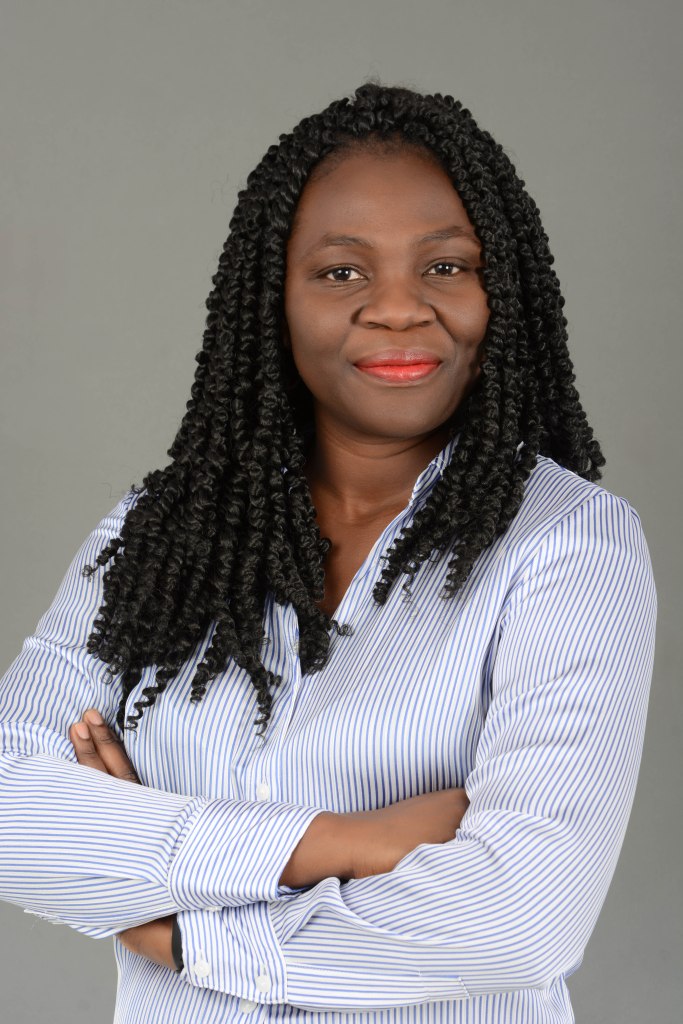
Oyebola Oyesola DVM PhD
Dr. Oyesola obtained her Veterinary Degree (DVM) from the University of Ibadan, Nigeria, graduating with several distinctions at the end of her studies at Ibadan. Motivated by her interest to better understand diseases of global and zoonotic importance, Dr. Oyesola pursued a postgraduate MSc. training in Infection and Immunity at the University of Leicester as a Commonwealth Shared Scholar. Following this, as a recipient of the Cornell African Scholar and Graduate Research Award, she obtained her Ph.D in Immunology and Infectious Disease at the Cornell University College of Veterinary Medicine. Her dissertation work in the Tait-Wojno lab focused on dissecting the role of prostaglandin D2 in the regulation of mucosal responses during Type 2 inflammation.
In 2020, Dr Oyesola moved to the NIH, where she became a visiting postdoctoral fellow in the Loke lab at the Laboratory of Parasitic Diseases, NIAID, NIH. Her work here was focused on understanding how an individual’s macro- and/or microenvironment, together with its interaction with host genetic factors, can influence their susceptibility to disease, disease pathogenesis, and outcomes.
In 2023, Dr. Oyesola received an Independent Research Scholar Award from NIH, allowing her to establish the Immune Priming Unit and continue her study on how an individual’s environmental and/or infection history alters the immune system and influences their response to subsequent infections.
In 2026, Bola started as an Assistant Professor at the University of Pennsylvania and is currently the Principal Investigator of the Tissue Immunity and Immune Priming lab.
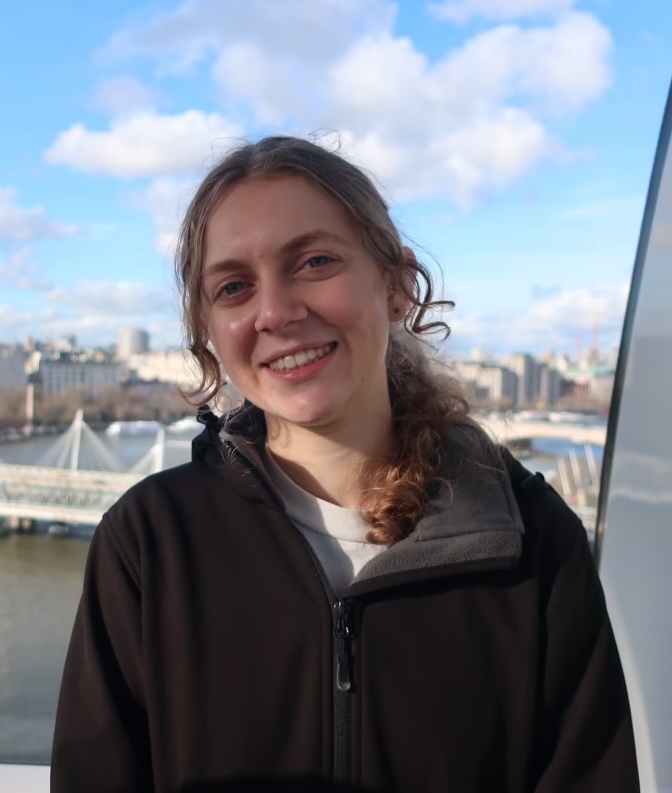
Taylor Kirby
Taylor Kirby completed her undergraduate degree in Biology with a double major in English and a minor in Creative Writing at The George Washington University. Her previous research focused on insect immunology and host–pathogen interactions. She co‑led a Plodia moth project investigating larval immune responses and transcriptomic and microbiome variation following infection, contributing to the development of experimental infection protocols. Taylor joined the TiiP Lab in March 2026. In the future, she plans to pursue further academic training and continue expanding her research interests.
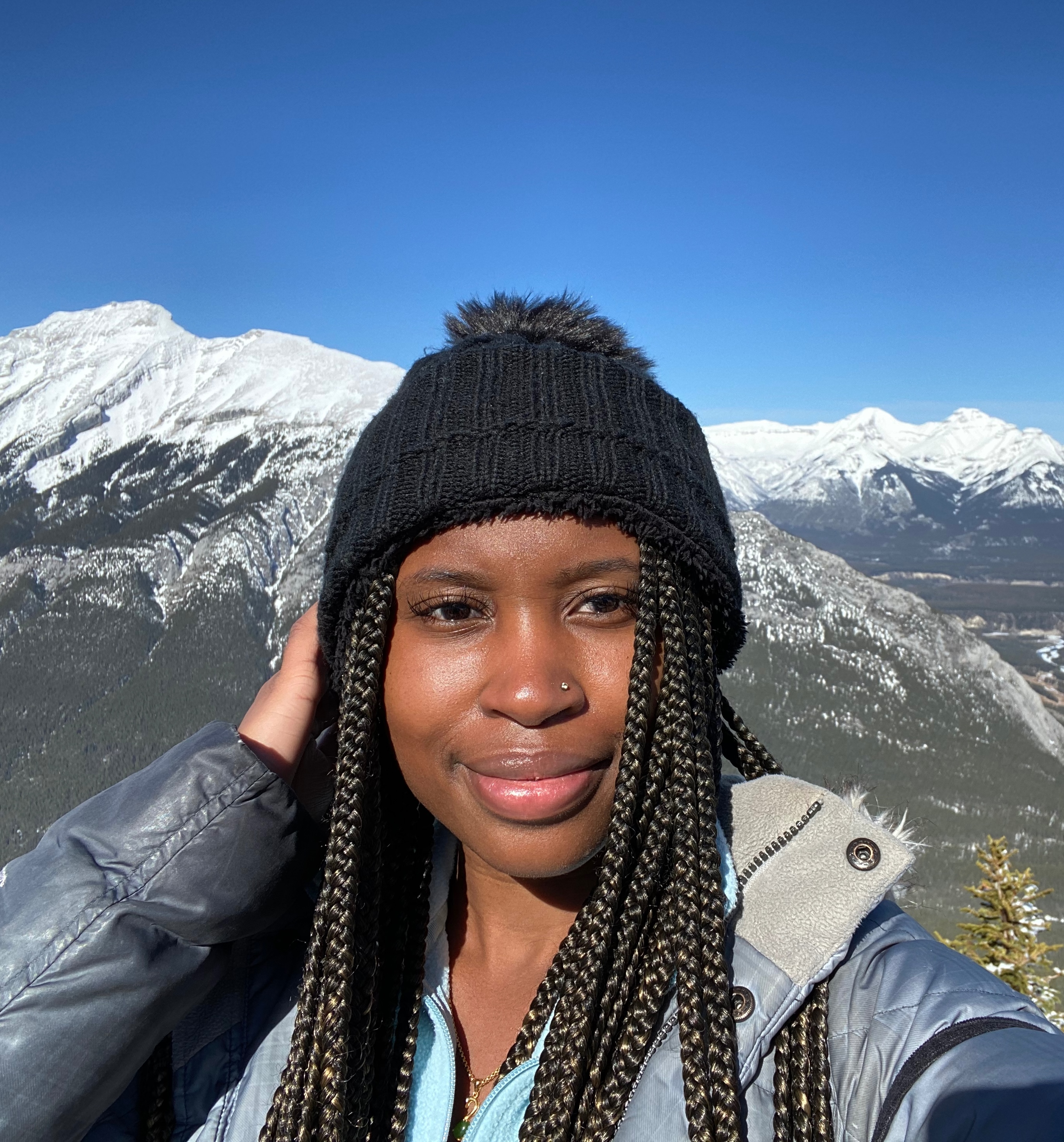
Danealle Parchement
Danealle Parchment is a third-year Penn MD/PhD student rotating in the TiiP lab. She completed her undergraduate degree in Microbiology with a minor in Anthropology at Washington University in St. Louis in 2021. While at WashU, she researched the role of chitin deacetylation in the fungal virulence of C. neoformans. Following graduation, she spent three years at the NIH conducting post-baccalaureate research in HIV vaccine development and humoral immunity to emerging arboviruses at the VRC. When not in lab, she enjoys reading, hiking, concerts, and trying new restaurants.

You?
 Tissue Immune and Immune Priming Lab